
Cylindrical lithium‑ion batteries, represented by 18650, 21700, 26650, and 32650 formats, are widely used in consumer electronics, electric vehicles, and energy storage systems due to their standardized dimensions, high mechanical stability, mature manufacturing, and excellent consistency. The performance, safety, cycle life, and cost of these cells are directly determined by the materials used in electrode fabrication, cell assembly, and structural packaging. This article systematically introduces all critical materials required in the production and assembly of cylindrical lithium‑ion batteries, covering electrochemical core materials, current collectors, separators, electrolytes, structural components, safety parts, and auxiliary processing materials.
Cathode Materials
The cathode is the primary source of lithium ions and dominates the cell’s voltage, capacity, and thermal stability. Common cathode active materials for cylindrical cells include lithium cobalt oxide (LiCoO₂, LCO), lithium iron phosphate (LiFePO₄, LFP), nickel‑cobalt‑manganese oxide (NMC), and nickel‑cobalt‑aluminum oxide (NCA). LCO offers high energy density and stable processing, widely used in small cylindrical cells for laptops and power tools. LFP features outstanding safety, long cycle life, and low cost, making it dominant in energy‑storage and industrial cylindrical batteries. High‑nickel NMC (such as NMC 811) and NCA deliver ultrahigh energy density, widely adopted in 21700 cells for electric vehicles. Cathode electrodes also require conductive additives including carbon black, Super P, and carbon nanotubes (CNTs) to improve electron transport, as well as polyvinylidene fluoride (PVDF) as a binder to hold active particles together and adhere to the current collector.
Anode Materials
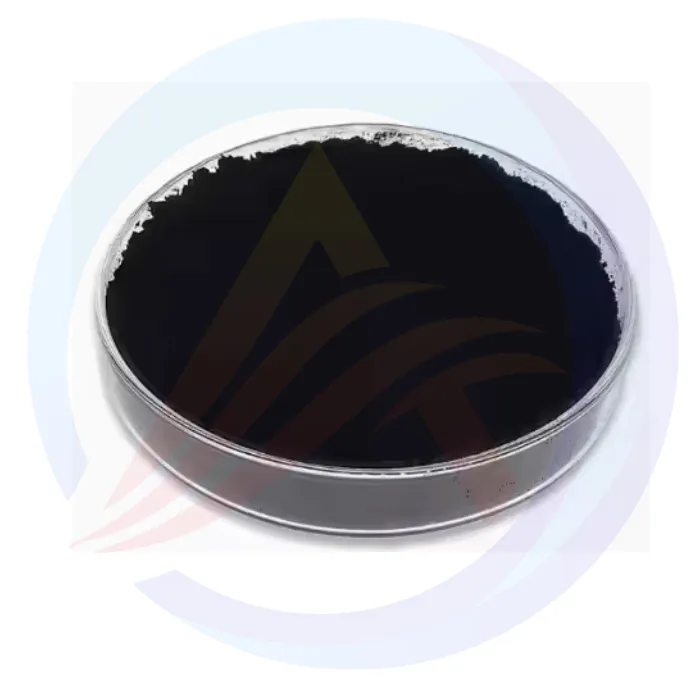
The anode stores and releases lithium ions during charge and discharge, affecting fast‑charging capability, cycle stability, and expansion behavior. Natural graphite and synthetic graphite are the mainstream anode materials for cylindrical cells, offering good lithium intercalation stability, low cost, and mature processing. To boost capacity, manufacturers increasingly use silicon‑graphite composites, where silicon provides much higher specific capacity while graphite mitigates volume expansion. Advanced anode systems may add a small amount of hard carbon or soft carbon to enhance rate performance. Similar to cathodes, anodes use styrene‑butadiene rubber (SBR) and carboxymethyl cellulose (CMC) as aqueous binders, along with carbon‑based conductive agents to ensure low internal resistance.
Current Collectors
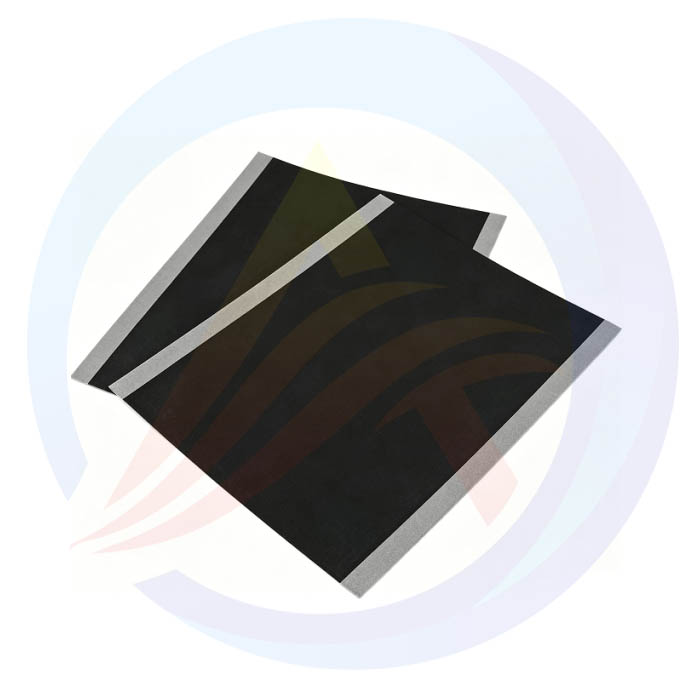
Current collectors collect and conduct electrons between electrodes and external circuits. For cylindrical cells, high‑purity aluminum foil (typically 10–20 μm thick) serves as the cathode current collector, while high‑conductivity electrolytic copper foil is used for the anode. To improve adhesion and reduce powder detachment, carbon‑coated or etched foils are increasingly applied in high‑performance lines. These foils must feature uniform thickness, clean surface, and high mechanical strength to withstand winding, calendaring, and assembly without cracking or wrinkling.
The separator is a microporous insulating membrane that physically isolates cathode and anode to prevent short circuits while allowing lithium‑ion migration. Dominant materials are polyethylene (PE), polypropylene (PP), and three‑layer PP/PE/PP composite membranes. For safety, ceramic‑coated separators (using alumina or boehmite) are widely used in cylindrical cells, enhancing thermal stability and shutdown function to block ion transport at elevated temperatures. The separator must have consistent porosity, uniform pore size, high tensile strength, and good electrolyte wettability to support reliable cycling.

Electrolyte
Electrolyte enables lithium‑ion movement between electrodes and consists of lithium salts, organic solvents, and functional additives. The most common salt is lithium hexafluorophosphate (LiPF₆), which offers high ionic conductivity and good electrochemical stability. Solvent blends usually include ethylene carbonate (EC), dimethyl carbonate (DMC), ethyl methyl carbonate (EMC), and diethyl carbonate (DEC) to balance conductivity, viscosity, and low‑temperature performance. Additives such as vinylene carbonate (VC) and flame retardants improve solid‑electrolyte interphase (SEI) formation, cycle life, and safety. Electrolyte must be ultra‑dry and impurity‑free to avoid side reactions and gas generation during cycling.
Cylindrical Cell Shell and Packaging Materials
The metal can provides structural rigidity, pressure resistance, and sealing for cylindrical cells. Most use nickel‑plated steel for excellent corrosion resistance, weldability, and mechanical strength. The top cap assembly includes a safety vent to release internal pressure under abuse, a PTC (positive temperature coefficient) element to limit overcurrent, and an insulating gasket to prevent short circuits between the cap and can. Sealing materials, such as high‑temperature resistant rubber or modified polymer gaskets, ensure hermetic sealing after crimping. External insulation may use PET heat‑shrink tubing to isolate cells in modules.
Tab and Connection Materials
Tabs transmit current between the jelly roll and external terminals. Aluminum tabs connect the cathode, and nickel or copper tabs link the anode. These tabs must have high purity, good conductivity, and weldability to support ultrasonic or laser welding without defects. Busbars and connection strips use nickel or aluminum alloys to ensure low resistance and stable connection in module assembly.
Auxiliary Processing Materials
Production lines rely on various auxiliary materials: N‑methyl‑2‑pyrrolidone (NMP) as a solvent for cathode slurry; deionized water for anode mixing; high‑temperature tapes for fixing during winding; cleaning agents for surface treatment; and drying adsorbents to control humidity. These materials directly affect slurry uniformity, electrode quality, and cell consistency.
The manufacturing and assembly of cylindrical lithium‑ion batteries depend on a precise material system covering electrochemical active materials, conductors, separators, electrolytes, structural parts, safety components, and processing auxiliaries. Each category must meet strict specifications for purity, morphology, thickness, and stability. With the evolution of high‑nickel cathodes, silicon‑based anodes, and ceramic separators, cylindrical cells continue to improve in energy density, safety, and service life. Material innovation and strict quality control remain the foundation for high‑performance cylindrical battery production, supporting their expanded application in electric mobility and renewable energy storage.