
In the era of renewable energy and electric mobility, batteries have become an indispensable part of daily life, powering everything from smartphones to electric vehicles and grid-scale energy storage systems. While much attention is paid to cathodes, anodes, and electrolytes, there is a critical yet often overlooked component that ensures battery safety and performance: the battery separator. This thin, porous membrane acts as a silent guardian, separating the positive and negative electrodes to prevent short circuits while enabling the smooth transport of ions—an essential balance for efficient energy storage. Among the various types of separators, glass fiber separators stand out for their unique properties, making them a key player in advanced battery technologies.
To understand the importance of glass fiber separators, it is first necessary to grasp the core functions of a battery separator. Fundamentally, a separator must fulfill three vital roles: electrical insulation, ionic conduction, and safety protection. It physically isolates the anode and cathode to avoid direct contact, which would cause a catastrophic short circuit and even thermal runaway. At the same time, its porous structure allows ions to pass through during charging and discharging, maintaining the electrochemical reaction that generates electricity. Additionally, high-quality separators must withstand extreme conditions such as high temperatures and chemical corrosion to ensure long-term battery stability.
Currently, the most commonly used battery separators are polymeric separators, mainly made of polypropylene (PP) or polyethylene (PE). These materials are cost-effective and easy to mass-produce, but they have obvious limitations—poor thermal stability and limited porosity. Polymeric separators typically melt at 120-160°C, which can trigger short circuits and thermal runaway when batteries overheat during fast charging or abnormal use. This is where glass fiber separators shine, addressing the shortcomings of polymeric alternatives with their inherent advantages.
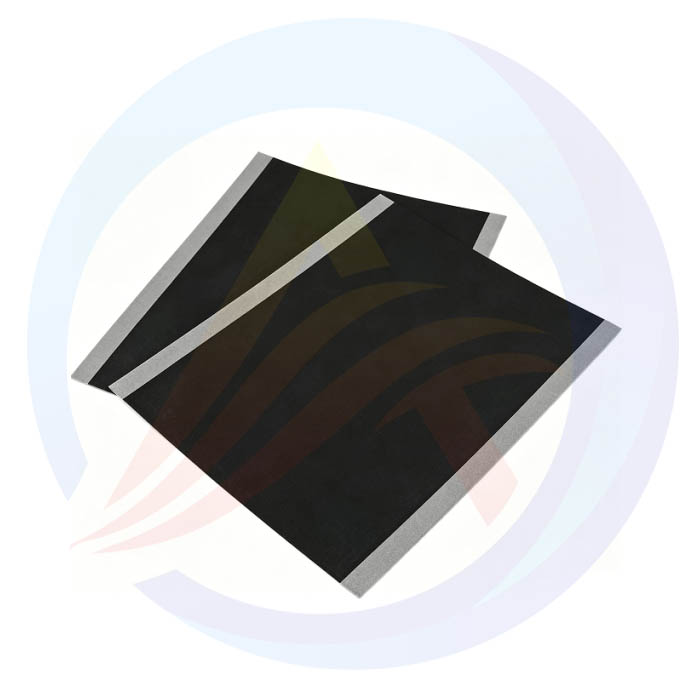
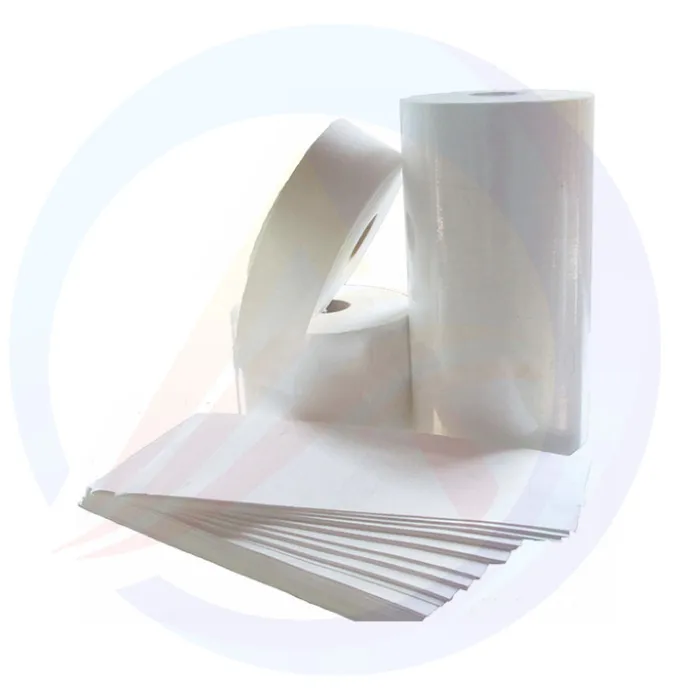
Glass fiber separators are porous membranes made from fine glass fibers, usually composed of silica-based materials such as borosilicate or alkali-free glass, processed through non-woven needling or wet-laid forming techniques. Their most prominent feature is exceptional thermal stability: unlike polymeric separators, glass fibers can withstand temperatures exceeding 500°C without melting or losing dimensional integrity, forming a reliable safety barrier against thermal runaway—a critical advantage for high-energy-density batteries used in electric vehicles and energy storage systems.
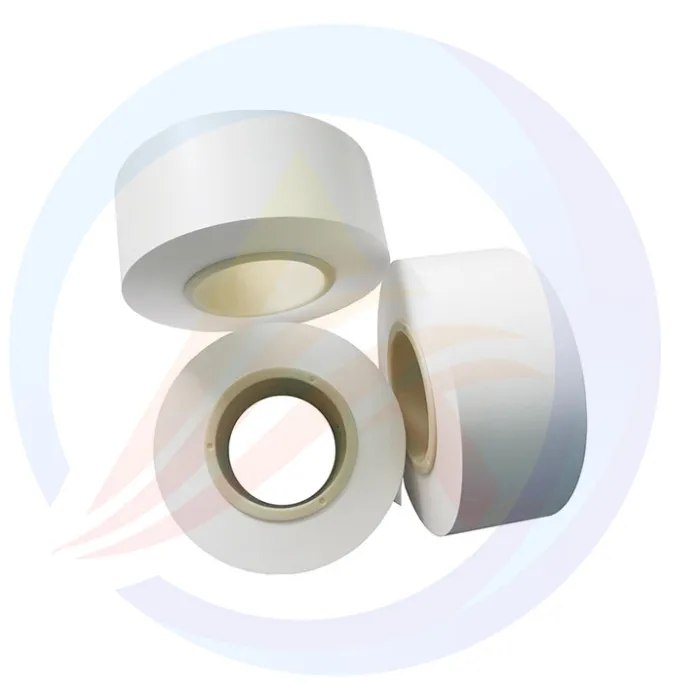
Beyond thermal stability, glass fiber separators boast several other superior properties. They have high porosity (often exceeding 80%), which creates low-tortuosity pathways for ions, reducing internal resistance and enhancing battery energy density and power output. Their excellent wettability with both aqueous and non-aqueous electrolytes ensures rapid and uniform electrolyte absorption, maintaining stable ion conduction over long cycles. Additionally, glass fibers are chemically inert, meaning they do not react with electrolytes or electrode materials, ensuring long-term battery performance and durability. Their robust mechanical strength also prevents punctures from lithium dendrites or physical damage during battery assembly and use, further reducing short-circuit risks.
The applications of glass fiber separators are increasingly diverse, spanning various battery types. They are widely used in lithium-ion batteries, where their high porosity and thermal stability improve cycle life and safety, and are also being explored for high-capacity lithium-sulfur and lithium-air batteries. In sodium-ion batteries, another promising energy storage technology, glass fiber separators effectively handle the larger ionic size of sodium while maintaining performance. They also play a key role in solid-state batteries, acting as a scaffold for solid electrolytes to enhance ionic conductivity, and in flow batteries, where their chemical inertness and durability make them ideal for separating electrode compartments. Additionally, glass fiber separators (known as AGM separators) are essential in lead-acid batteries for applications such as automotive, 5G base stations, and solar energy storage, thanks to their excellent acid resistance and electrolyte absorption capacity.
With the global demand for safer, higher-performance batteries continuing to grow, the market for glass fiber separators is expanding rapidly. The global glass fiber battery separator felt market was valued at US$803 million in 2025 and is projected to reach US$1222 million by 2032, with a compound annual growth rate of 6.2%. Researchers are also working to optimize glass fiber separators, such as developing ultra-thin variants for lightweight battery designs and modifying their surface properties to further improve electrolyte compatibility.
Battery separators are the unsung heroes of energy storage, and glass fiber separators represent a high-performance solution that addresses the safety and performance challenges of modern batteries. Their exceptional thermal stability, high porosity, chemical inertness, and versatile applications make them indispensable in the transition to a more sustainable energy future. As battery technology advances, glass fiber separators will continue to play a crucial role, powering the next generation of electric vehicles, energy storage systems, and portable electronics.