

The global transition towards sustainable energy has placed lithium-ion batteries at the forefront of technological innovation. However, conventional liquid electrolyte-based batteries face inherent limitations regarding safety, energy density, and cycle life. Enter LLZTO (Li6.4La3Zr1.4Ta0.6O12), a tantalum-doped garnet-type solid electrolyte that is rapidly emerging as a cornerstone material for next-generation all-solid-state batteries (ASSBs). Among its various forms, the cpellet stands out as a critical component for research and development, bridging the gap between theoretical material science and practical battery application.
Why LLZTO? The Advantage of the Cubic Phase
The base material, Li1.2Ni0.2Mn0.6O2 (LLZO), exists in two primary phases: tetragonal and cubic. The tetragonal phase exhibits low ionic conductivity, rendering it unsuitable for high-performance batteries. Through the strategic doping of Tantalum (Ta), the crystal structure is stabilized in the high-conductivity cubic phase at room temperature. LLZTO pellets typically boast ionic conductivities exceeding 10-4 S/cm, rivaling some liquid electrolytes. Furthermore, unlike sulfide-based solid electrolytes, LLZTO offers exceptional chemical stability against moisture in the air, significantly simplifying handling and manufacturing processes. Its wide electrochemical stability window (up to 6V vs. Li/Li⁺) makes it compatible with high-voltage cathodes, while its mechanical hardness provides a robust barrier against lithium dendrite penetration, addressing the notorious safety issues of traditional batteries.
The Critical Role of the Pellet Form Factor
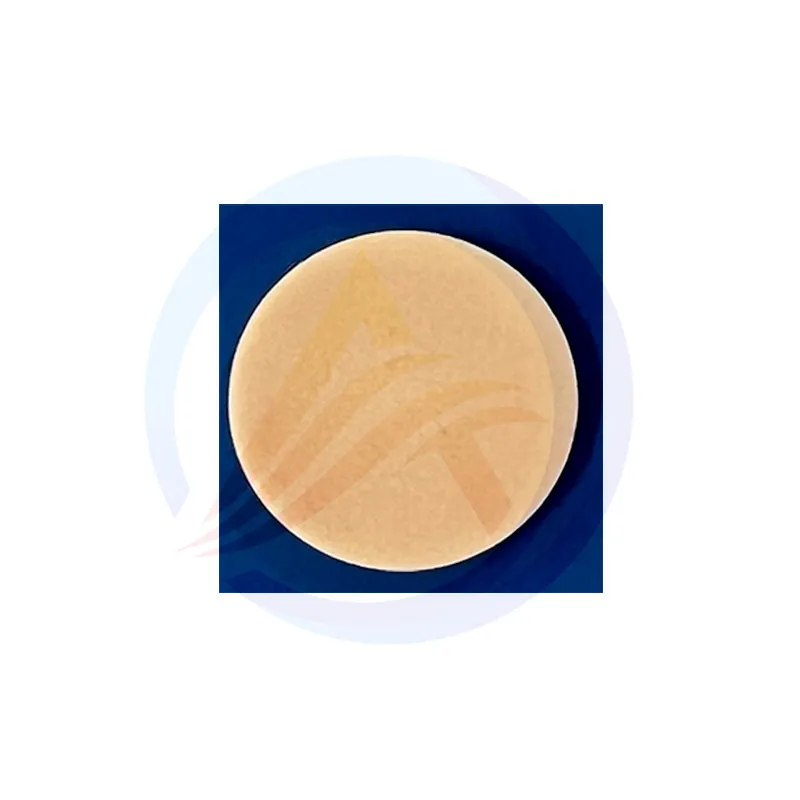
While LLZTO powder is the raw material, the sintered pellet is the functional heart of a half-cell or full-cell prototype. The quality of the pellet directly dictates the performance of the battery.
High Relative Density: To minimize internal resistance and prevent short circuits, LLZTO pellets must be sintered to near-theoretical density (>95%). High density ensures a continuous pathway for lithium-ion transport and eliminates open pores where lithium dendrites could nucleate and grow.
Grain Boundary Engineering: The sintering process affects grain growth. Optimized pellets feature large, uniform grains with clean grain boundaries, reducing the grain boundary resistance which often acts as a bottleneck for ion transport.
Surface Finish: For lab-scale testing, the pellet surface must be mirror-polished to ensure intimate contact with the electrode materials. Poor contact leads to high interfacial impedance, masking the true potential of the electrolyte.

Applications in Research and Development
LLZTO pellets are indispensable in university laboratories and corporate R&D centers worldwide. They serve as the standard platform for:
Interface Stability Studies: Researchers use LLZTO pellets to test various interlayer coatings (such as gold, carbon, or polymer buffers) to mitigate interfacial resistance between the rigid ceramic electrolyte and the lithium metal anode.
Critical Current Density (CCD) Testing: Pellets are used to determine the maximum current density a battery can withstand before dendrite formation causes a short circuit. High-quality LLZTO pellets have demonstrated CCD values sufficient for practical fast-charging applications.
Hybrid Electrolyte Systems: LLZTO pellets are often integrated into hybrid systems, combining ceramics with polymers to leverage the mechanical strength of the former and the flexibility of the latter.
Challenges and Future Outlook
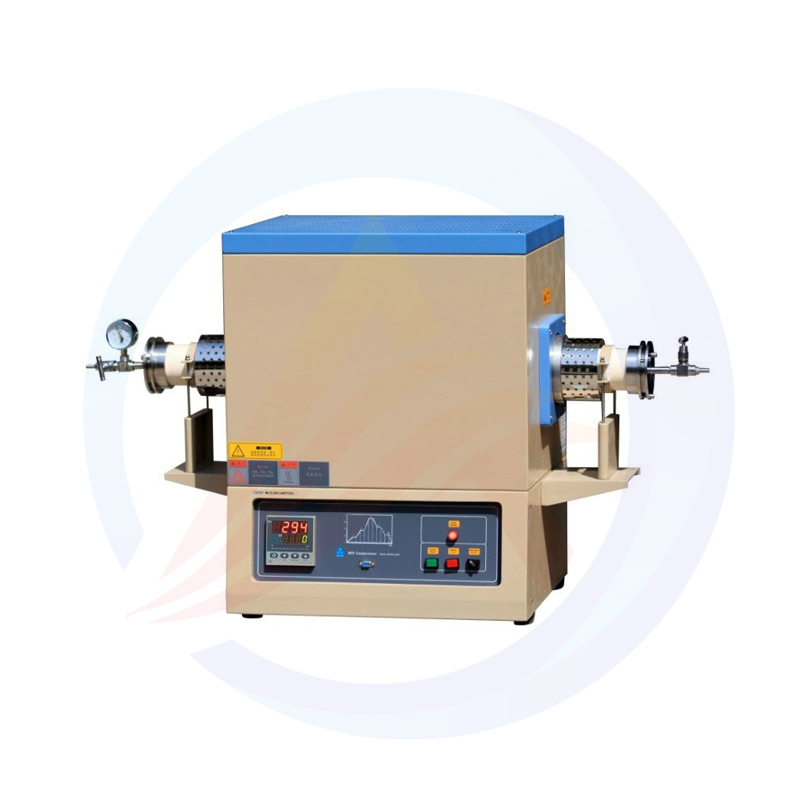
Despite their promise, LLZTO pellets face challenges, primarily the high sintering temperatures required (often >1100°C) and the brittleness of the ceramic material, which complicates large-scale manufacturing. Additionally, achieving low-resistance interfaces remains a key hurdle. However, ongoing advancements in sintering aids, cold sintering techniques, and surface modification strategies are rapidly overcoming these obstacles.
The LLZTO electrolyte pellet is more than just a component; it is the enabling technology for the safe, high-energy-density batteries of tomorrow. As synthesis methods improve and costs decrease, LLZTO-based solid-state batteries are poised to revolutionize electric vehicles, grid storage, and portable electronics, marking a definitive shift away from the limitations of liquid electrolytes. For researchers and manufacturers alike, mastering the fabrication and application of high-quality LLZTO pellets is the first step toward unlocking the full potential of solid-state energy storage.