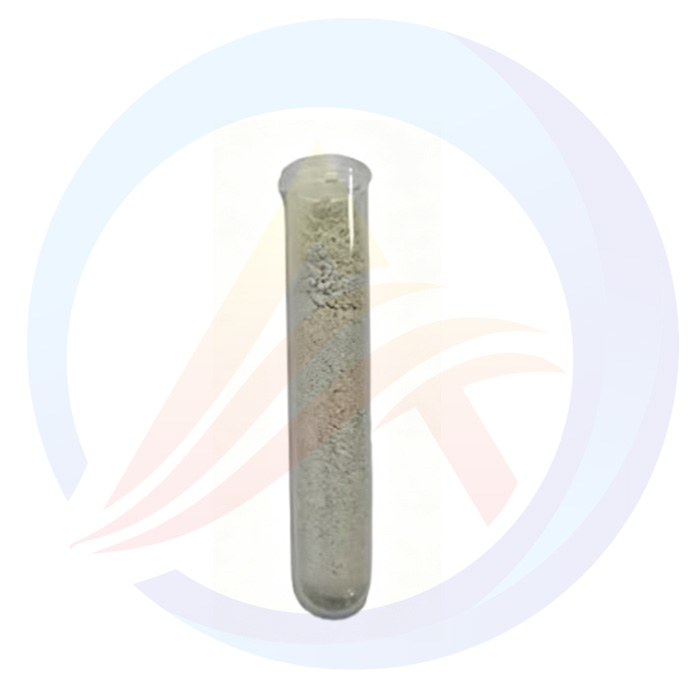
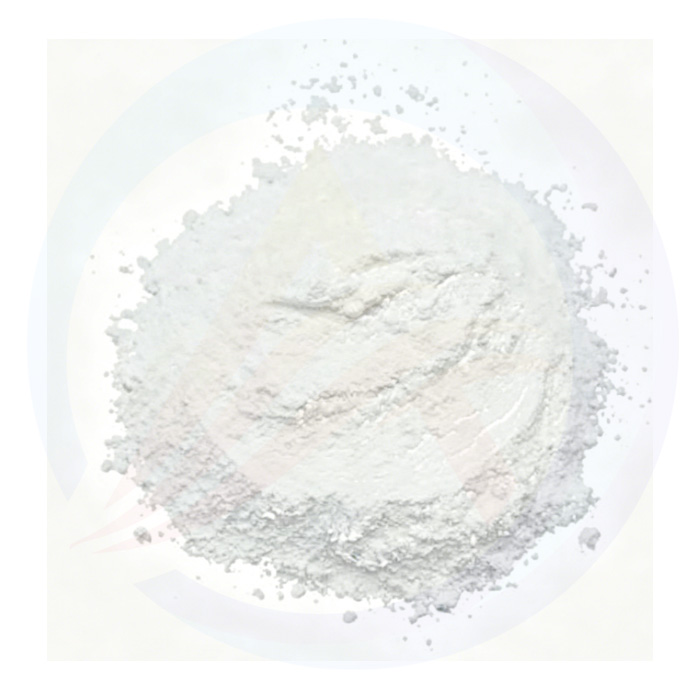
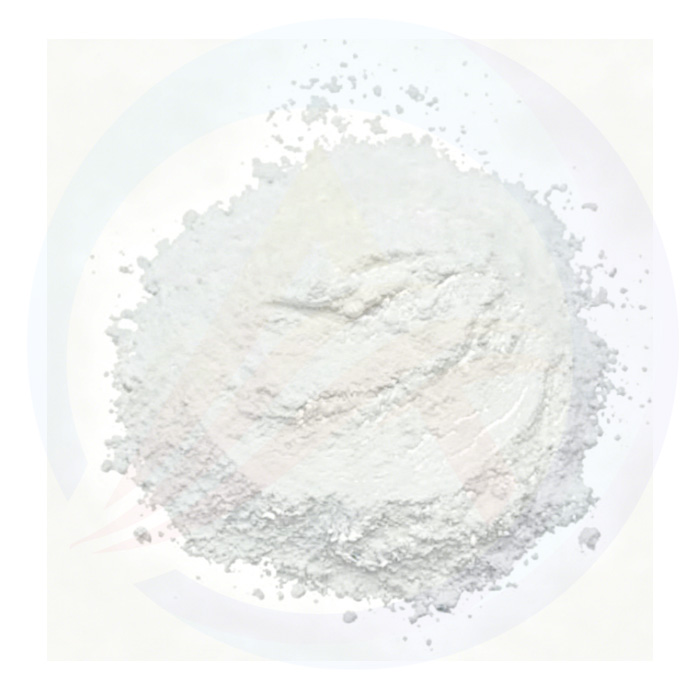
Prussian white (PW), which is the fully reduced and sodiated form of prussianblue(PB), which is called Prussian white because it contains high sodium (Prussian blue contains only one sodium) and appears white.
PW could significantly improve the manufacturability of commercial batteries as it circumventsthe requirement of a reactive sodium-loaded anode in cell assembly.
There are significant differences in composition and application between Prussian blue and Prussian white.
1. Composition: Prussian blue, also known as Teng's blue, is a polymeric complex composed of three elements: C, N, and Fe. Prussian white is a high sodium Prussian blue compound.
2. Physical properties: Prussian blue is a coordination compound that appears bright blue, while Prussian white contains high sodium, resulting in a white color.
SPECIFICATION |
Test item | Unit | Test Value |
Chemical property | Chemical formula | / | Na2Mn[Fe(CN6)] |
Physical property | Grain fineness distribution | D10 | um | 0.39 |
D50 | um | 0.80 |
D90 | um | 1.6 |
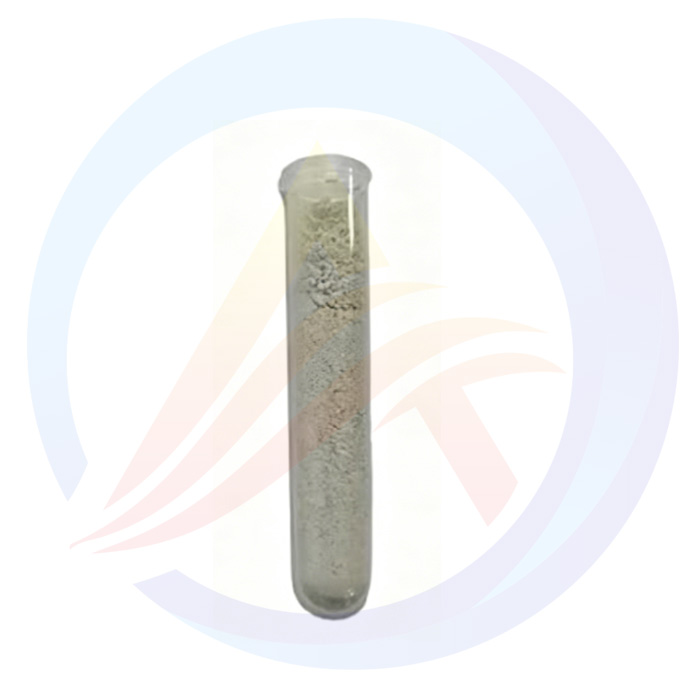
Apparent condition | / | Light off-white powder |
Tap density | g/cm3 | 0.6 |
Specific surface area | m2/g | 8.56 |
Electrochemical performance | Initial discharge capacitance (Na01C, 2-4.0V) | mAh/g | 136 |
Storage | Sealed storage at room temperature, should be used up as soon as possible after unpacking, or stored in the glove box. |
Transport | This product does not burn and is safe to transport when the package is complete. |
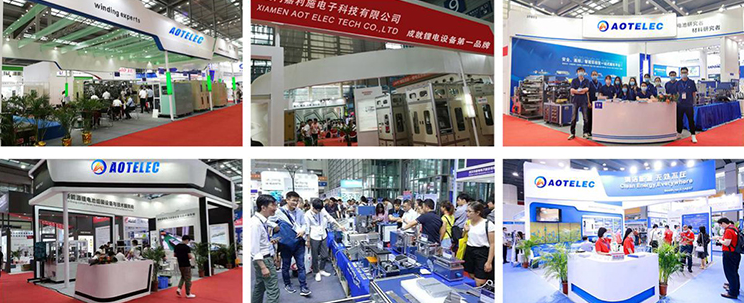
Exhibition

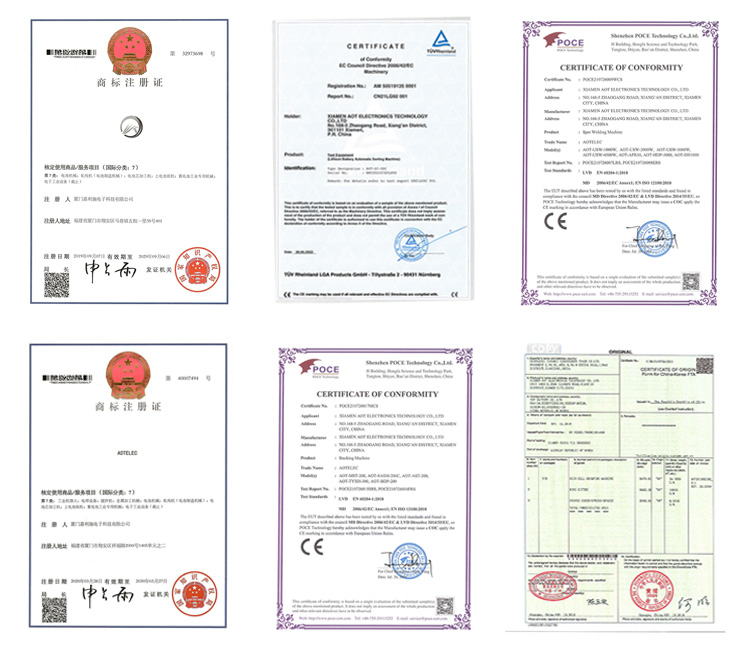
Cerificate
Q1:What is a Prussian blue?
A:Prussian blue is used as a positive electrode material for batteries. Its structure contains an open framework, which is conducive to the intercalation/deintercalation of lithium ions and has a relatively high theoretical specific capacity. Through modification (such as introducing potassium ions and regulating crystalline water), the cycling stability and ion conductivity can be enhanced, which has application potential in low-cost and environmentally friendly potassium/sodium-ion batteries and is one of the research hotspots of new battery materials.
Q2:The main function of Prussian blue powder
A:Prussian blue open frame structure allows for rapid intercalation/deintercalation of ions, achieving charge storage and release.Enhancing performance: Through modification (such as adjusting the crystalline water and introducing heteroatoms), the cycling stability, ionic conductivity and specific capacity can be optimized.
Q3:The usage method of Prussian blue
A: The usage steps of Prussian blue powder for batteries: First, pre-treat, screen the powder evenly, wash and dry to regulate the crystalline water; Refabricate the electrode, dissolve it with conductive agents and binders in solvents to form a slurry, coat it with current collectors such as aluminum foil, and then dry and roll it. Finally, assemble the battery, and combine it with the negative electrode, separator, and compatible electrolyte (potassium/sodium system) to form a button or pouch battery. After liquid injection and sealing, it is activated and used after formation.
Q4:How to choose Prussian blue
A: Purity and crystalline water: High purity reduces side reactions. The content of crystalline water affects ion conduction and needs to be matched with the requirements of the battery system.
Particle size distribution: Uniform particle size is conducive to the dispersion of the slurry. Fine particles (nanometer level) can enhance the reactivity but increase the internal resistance.
Modification process: Products that have been modified by potassium ion doping, surface coating, etc. are preferred to enhance cycling stability and conductivity.