
Lithium-Ion Battery Binders: Main Types, Key Functions and Complete Working Principles
As a tiny yet irreplaceable functional polymer component inside lithium-ion batteries, battery binders only take up 1% to 5% of the total electrode mass, yet they exert decisive control over electrode structural integrity, long-cycle durability, rate discharge performance, battery safety and production manufacturing costs. In the whole electrode production workflow, active materials alone cannot form a compact, uniform coating on metal current collectors such as aluminum foil for cathodes and copper foil for anodes. Conductive carbon additives like carbon black, carbon nanotubes and graphite powder also lack self-adhesive capacity. Without properly matched binders, loose electrode particles will peel off, crack and separate during thousands of repeated lithium intercalation and deintercalation cycles. This separation breaks continuous conductive pathways, triggers sharp capacity fading, elevates battery internal resistance, and in severe cases, induces local overheating, micro short circuits and even thermal runaway hazards. This article comprehensively sorts out mainstream commercial battery binder categories, elaborates their core practical functions, and explains the microscopic working mechanism behind polymer binder networks.
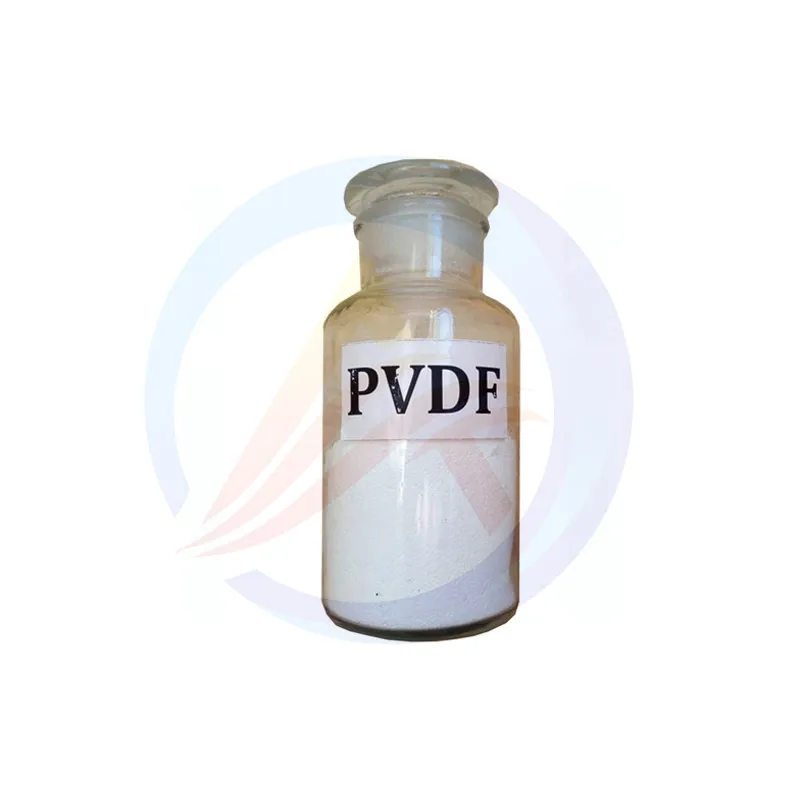
Classified by solvent type, chemical structure and applicable electrode materials, industrial battery binders fall into four major mainstream categories. The first mature mass-produced type is solvent-based polyvinylidene fluoride, abbreviated as PVDF. PVDF features outstanding anti-oxidation capacity, ultra-wide stable electrochemical voltage window and decent thermal resistance, making it the dominant binder for all high-voltage cathode materials including ternary lithium nickel cobalt manganese oxide, lithium iron phosphate and lithium manganese oxide. In slurry mixing processes, PVDF powder dissolves in toxic organic NMP solvent to form a transparent viscous solution that evenly wraps cathode particles. However, PVDF has obvious drawbacks: high raw material expense, expensive NMP solvent recovery equipment, rigid molecular chains with poor elasticity, and weak tolerance toward large volume expansion, which disqualifies it for silicon-carbon anode applications.
The second category is water-based composite binders, the mainstream eco-friendly solution for graphite anodes, primarily composed of carboxymethyl cellulose (CMC) and styrene-butadiene rubber (SBR). CMC is a water-soluble cellulose derivative rich in anionic carboxylate groups. Its core role lies in thickening aqueous slurry, dispersing agglomerated graphite and conductive particles, and stabilizing slurry suspension to avoid solid sedimentation during coating. SBR acts as a flexible elastic supplement. While CMC provides rigid adhesive anchoring, cross-linked SBR rubber chains offer great stretchability and toughness to resist electrode pulverization. Compared with PVDF systems, CMC-SBR blends eliminate organic solvent pollution, cut production investment, and deliver superior low-temperature performance, which perfectly matches the demand of mass consumer battery manufacturing.
Thirdly, high-adhesion polar polymer binders are custom-developed for high-energy-density silicon-based anodes, including polyacrylic acid (PAA) and sodium alginate. Silicon materials can store far more lithium ions than traditional graphite, but suffer from up to 300% volume swelling during lithiation, easily breaking conventional binder connections. PAA and alginate carry massive carboxyl and hydroxyl polar groups on molecular backbones. These functional groups generate dense, strong hydrogen bonds and weak chemical coupling with silicon particle surfaces, forming firm adhesion that withstands drastic volume fluctuation. The soft polymer matrix dissipates mechanical stress generated by silicon expansion, significantly slowing capacity loss in silicon-carbon full cells.
The fourth emerging group is advanced novel binders under industrial research, covering self-healing polymers, conductive composite binders and fully biodegradable biological binders. Conductive binders integrate conductive segments into polymer chains to reduce electrode internal resistance further, while self-repairing binders can reconstruct broken molecular networks after slight electrode cracking, extending overall service life. These innovative products are targeted at next-generation solid-state batteries and ultra-long-life power batteries.
All types of battery binders share three irreplaceable core functions. The first fundamental function is mechanical bonding. Binder polymer networks lock active particles and conductive agents together, firmly attaching the entire electrode coating onto foil collectors against physical shock and cyclic volume deformation. Second, binders maintain ordered microscopic pore channels inside electrodes. Moderate, interconnected void spaces allow electrolyte infiltration and unobstructed lithium-ion transport between positive and negative electrodes, directly boosting fast-charging capability. Third, binders optimize electrode-electrolyte interfacial stability. Uniform polymer coverage restrains violent side reactions between active materials and liquid electrolyte, guiding the growth of thin, stable SEI protective films on anode surfaces and minimizing irreversible lithium consumption.
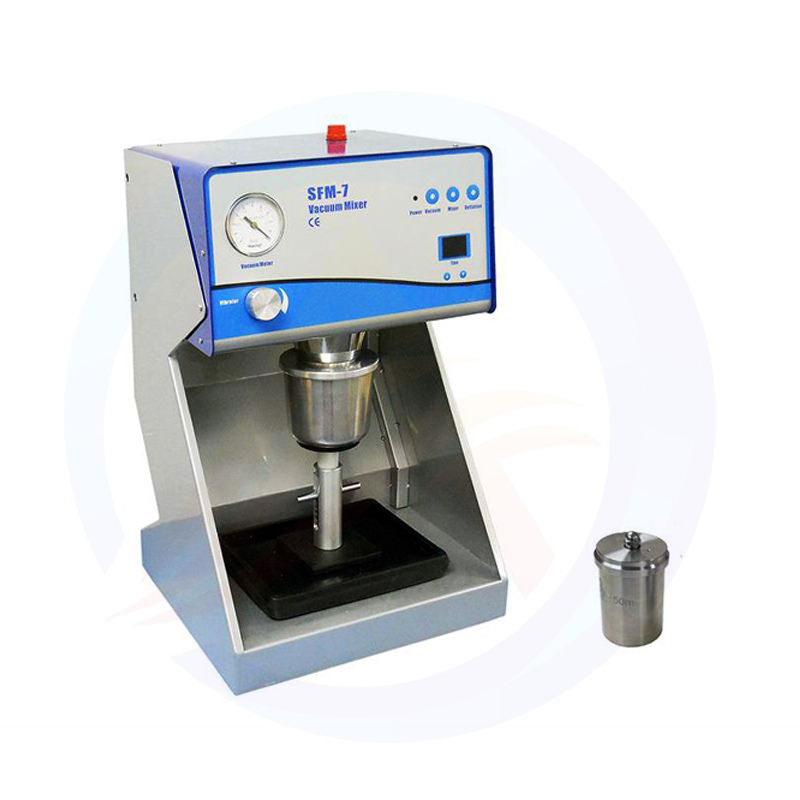
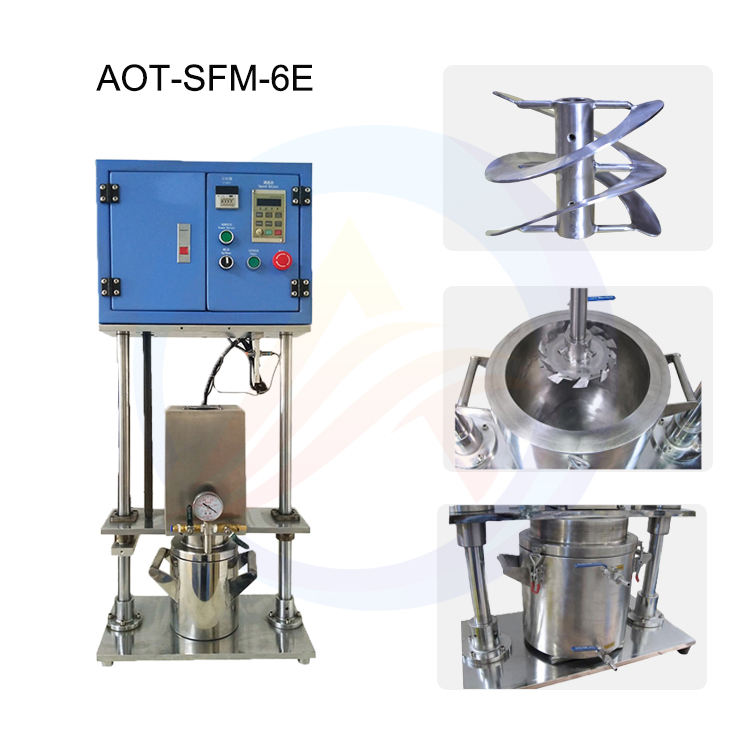
The complete working principle of battery binders can be divided into two stages: slurry preparation and electrochemical cycling service. During slurry blending, binder polymers dissolve or uniformly disperse in matched solvent, forming long molecular chains that wrap every solid particle to eliminate particle agglomeration. After blade coating and high-temperature drying, all solvent evaporates completely, leaving intertwined polymer chains to build a continuous three-dimensional elastic network. The network relies on van der Waals attraction, electrostatic force, hydrogen bonds and interfacial chemical adsorption to anchor electrode particles on collectors. When the battery charges, lithium ions embed into active materials and cause volume expansion; flexible binder chains stretch to release compressive stress without fracture. During discharge, particles shrink back, and elastic polymer segments rebound to maintain tight contact between adjacent particles. This reversible buffering effect preserves intact conductive and ion transport channels throughout long-term cycling, guaranteeing stable battery electrochemical performance.
In summary, despite their tiny mass proportion, battery binders are the structural backbone of electrode sheets. Different binder systems are designed to fit distinct cathode and anode material characteristics. As the global energy storage and new energy vehicle industries pursue higher energy density and greener production, continuous optimization and innovation of low-cost, high-toughness, environmentally friendly binders will remain a core research direction to push lithium-ion battery technology to a higher level.