
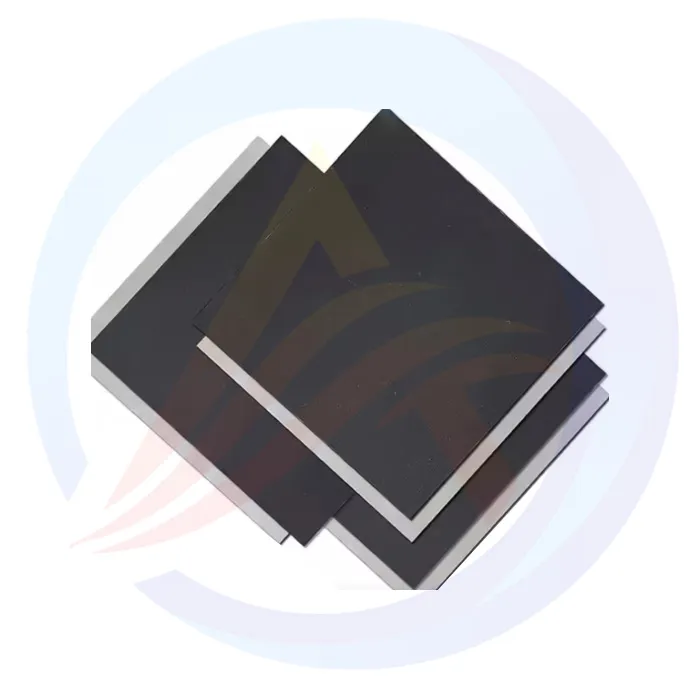
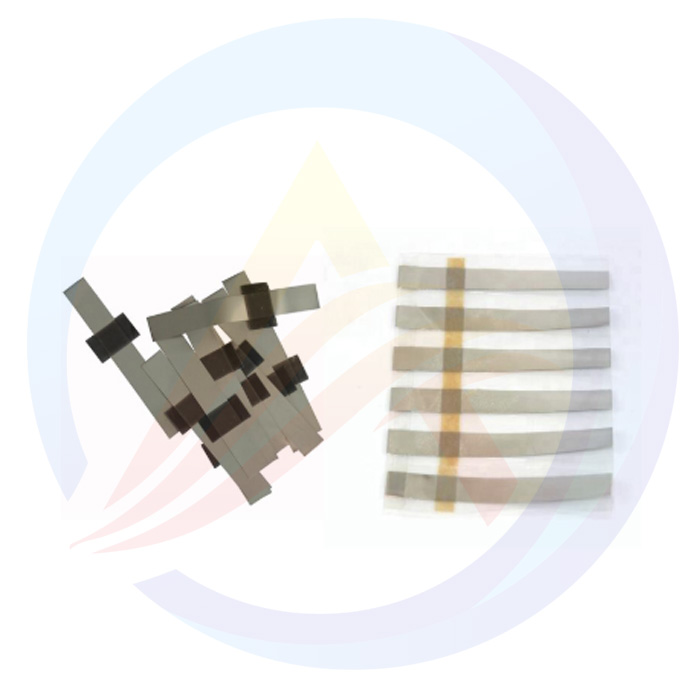
For more than three centuries, Prussian blue has been prized as a vivid pigment in art and, more recently, as a medical antidote. Now, its paler relative—Prussian White (Na₂Fe[Fe(CN)₆]) —is emerging as a leading contender for the next generation of affordable, sustainable energy storage. With the ability to deliver energy densities comparable to today’s lithium‑iron‑phosphate (LFP) batteries, Prussian White is poised to transform everything from grid‑scale storage systems to short‑range electric vehicles.
From Pharmacy to Power
One of the most unexpected breakthroughs came from a pharmaceutical laboratory. Macsen Labs, a long‑standing Indian manufacturer of APIs and specialty chemicals, was originally investigating Prussian blue as a treatment for radioactive poisoning. It was there that the team discovered its derivative—Prussian White—and quickly pivoted to battery research.
“It’s an interesting story, how a pharmaceutical company like ours entered the energy storage space,” said Mr. Achal Agrawal, CEO of Macsen Labs and lead researcher behind the project. “That moment of curiosity led us down this path.” Exactly one year after the team fabricated a basic pouch cell without a glovebox or other specialised equipment, Macsen Labs had established a full‑fledged electrochemistry R&D facility and filed a provisional patent for its proprietary Prussian White synthesis process.
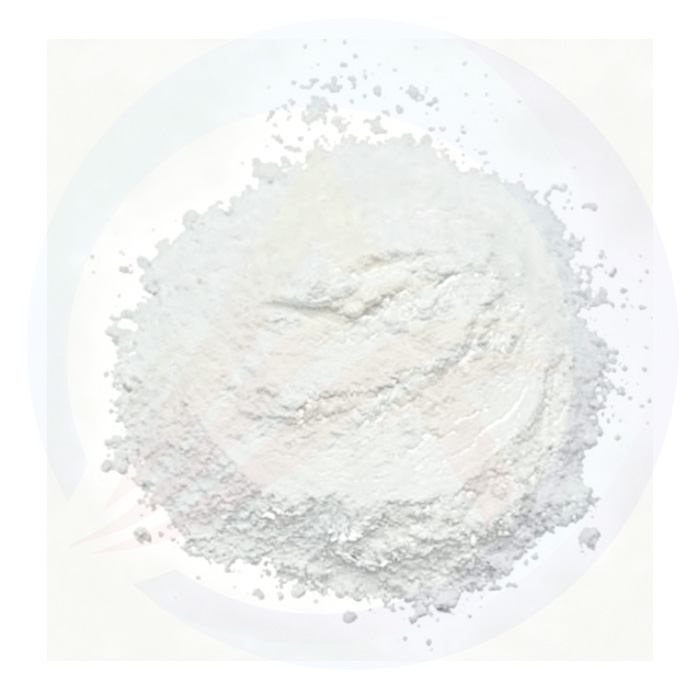
Through its proprietary process, Macsen has achieved an energy density exceeding 150 mAh/g with Prussian White, performance that is directly comparable to Lithium Iron Phosphate (LFP). The material also shows excellent stability, fast sodium‑ion mobility thanks to its open crystalline structure, and compatibility with existing Li‑ion cell‑manufacturing infrastructure. “Performance‑wise, it’s at par with LFP, but made from abundant, low‑cost materials like sodium and iron,” Agrawal added. “And these elements are easily available, affordable, and free from geopolitical constraints.” The company is now scaling up its proprietary process to pilot‑line production.
Scientific Foundations: Understanding the Water Paradox
The rising industrial interest in Prussian White is underpinned by a growing body of fundamental research. A landmark study published in February 2026 in the Journal of Materials Chemistry C reported the first neutron total scattering investigation of the compound. The research revealed that the dynamic water molecules within the Prussian White framework have a “dualistic effect” on battery performance. While the hydrated form imposes more order on sodium ions, the dehydrated version suffers from structural strain caused by iron‑nitrogen bond elongation and a disordered sodium distribution.
“These results show that the relationship between sodium and water is co‑dependent, and demonstrate that the local structure of framework materials has a crucial link to their properties,” the authors concluded. This deeper understanding is now guiding researchers in designing more stable, higher‑performance cathode materials.
Major Commercial and Industrial Developments
The scientific promise is rapidly translating into real‑world investment and industrial activity:
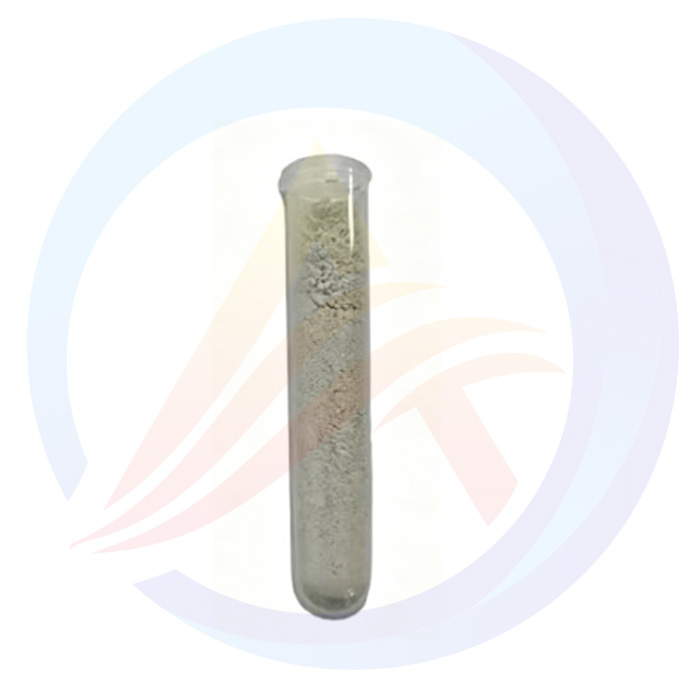
Altris & Volvo Cars: In 2025, Swedish sodium‑ion battery developer Altris announced that Volvo Cars Tech Fund—the venture capital arm of Volvo Cars—had become a strategic investor in Altris’ B1 funding round. The two companies entered an agreement to collaborate on product development for battery energy storage systems (BESS). Altris develops its patented cathode material, branded “Altris Prussian White,” and is refining electrolytes, cells and production blueprints for market‑leading sodium‑ion batteries. Volvo Cars will become the first automotive manufacturer to collaborate with Altris, though the technology is not yet planned for use in Volvo’s EVs.
Northvolt: Already in 2023, Northvolt unveiled a sodium‑ion battery based on a hard carbon anode and a Prussian White cathode. The company plans to be the first to industrialise Prussian White‑based batteries and bring them to commercial markets, underlining the technology’s low cost and safety at high temperatures—particularly attractive for energy storage in markets such as India, the Middle East and Africa.
Litona at KIT: The German start‑up Litona, founded at the Karlsruhe Institute of Technology (KIT), is working to produce Prussian White on an industrial scale. Co‑founder Sebastian Büchele notes that “competitors were having problems scaling up the production of Prussian white analogues,” and that Litona has developed innovative production methods to overcome this barrier. The company has already showcased its Prussian White cathode powders and coated electrodes at Hannover Messe, and aims to supply the European energy‑storage industry with locally produced materials. Litona deliberately chose Germany as its production location, seeing sodium‑ion technology as a “huge opportunity for a new start in Europe.”
A Commercial Reality with Room for Growth
Prussian White cathode materials have already been commercialised. Altris and others are shipping or developing sodium‑ion cells that use this chemistry, predominantly targeting stationary energy storage systems (BESS) and low‑cost mobility applications such as electric rickshaws and city buses. Nevertheless, challenges remain. Prussian White is hygroscopic—it readily absorbs water from the air—which can degrade performance. Researchers at the University of Colorado Boulder have developed an ammonium treatment that dramatically improves the material’s resistance to moisture, cycling stability and rate capability, pointing the way toward greater durability. Additionally, ongoing studies are exploring partial substitution of manganese with iron in Mn‑based Prussian White cathodes to mitigate structural deterioration, while other work seeks to decouple degradation mechanisms at electrode interfaces. Upscaling pouch‑cell production and achieving competitive cycle life, energy density and cost remain key objectives for the industry.
Outlook
As global demand for affordable, grid‑scale energy storage continues to rise, the battery industry is turning to alternatives that avoid the cost and supply‑chain vulnerabilities of lithium, cobalt and nickel. With its theoretical capacity of 171 mAh/g, use of widely abundant raw materials, and compatibility with existing manufacturing infrastructure, Prussian White is uniquely positioned to play a central role in the energy transition.
“The real potential of sodium‑ion batteries lies not just in electric vehicles,” Agrawal said. “It lies in stationary energy storage systems that store and manage renewable energy from solar and wind. This is where India’s energy transition will happen at scale.”
What began as a blue pigment in 18th‑century paint shops is now, in its white form, driving a global shift toward a more sustainable and equitable battery future.