
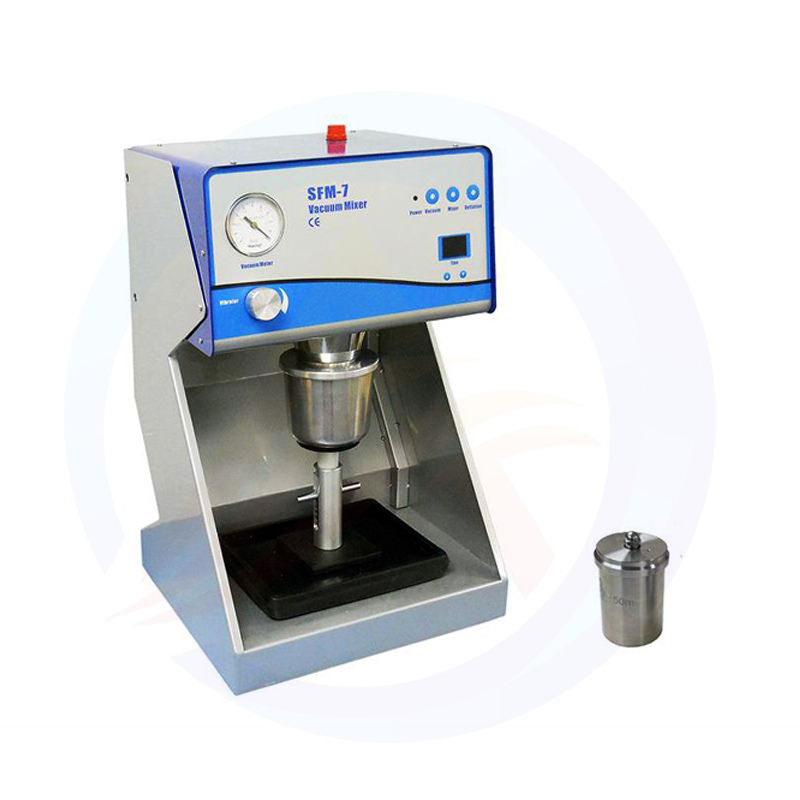
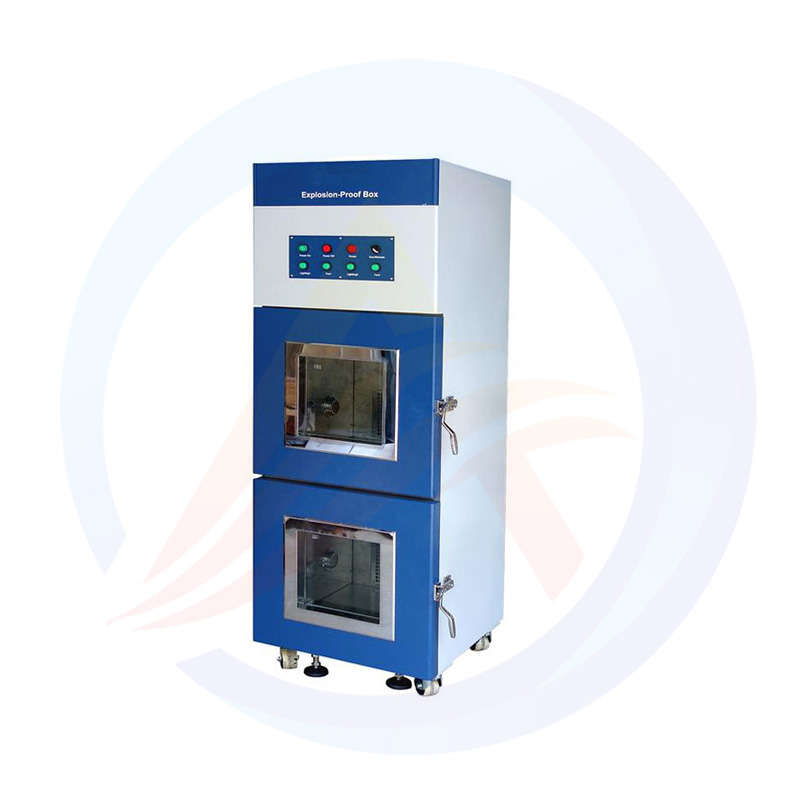
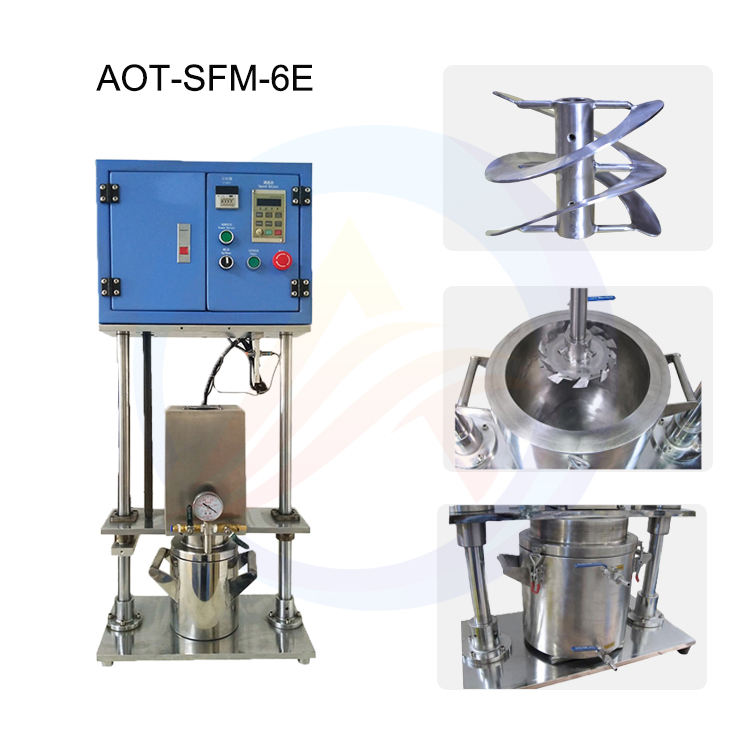
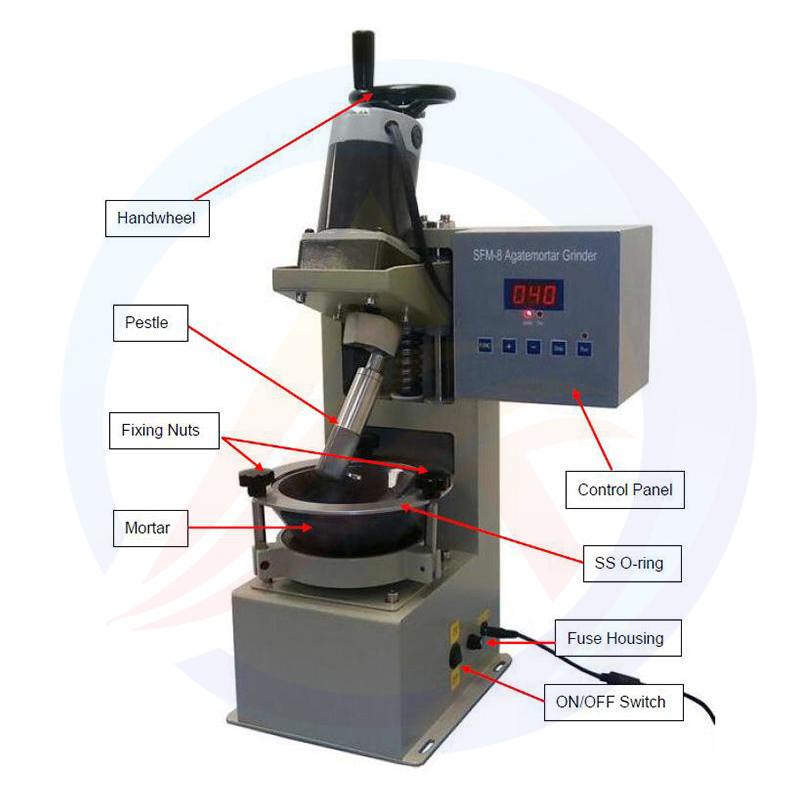


1.What is a Battery Sealing Machine?
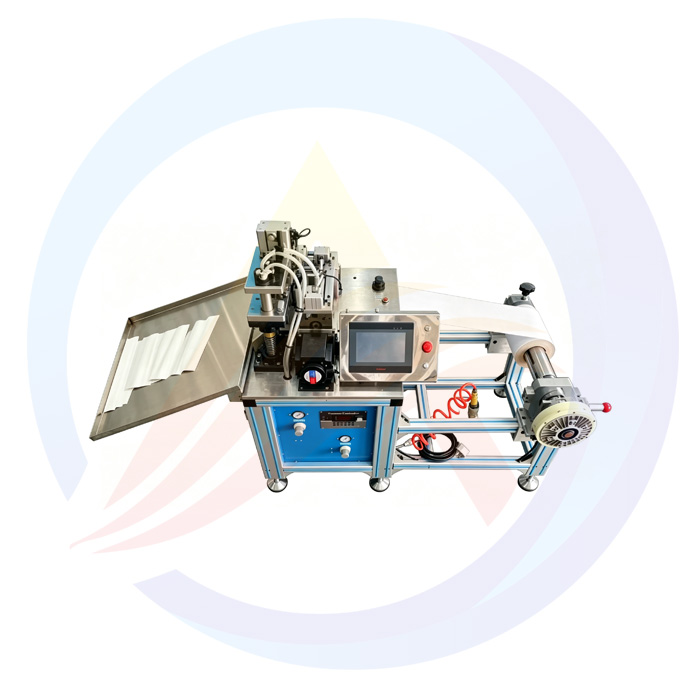
A battery sealing machine is a specialized equipment that uses mechanical pressing, heating fusion, or ultrasonic vibration processes to seal the battery shell (steel shell, aluminum shell, aluminum-plastic film, etc.). Its core mission is to completely isolate the battery cell from the external environment, creating an oxygen-free, water-free, and dust-free sealed space. The working principle needs to be adapted according to the type of battery: cylindrical batteries rely on mechanical rolling groove pressing or laser welding, pouch batteries achieve aluminum-plastic film heat fusion sealing through three-stage temperature control (preheating at 120-140°C, main heating at 170-190°C, and insulation at 150-160°C), and button batteries use customized chrome steel molds for precise pressing.
Based on the type of equipment, it mainly includes three categories: manual type (suitable for laboratory research and small batch production, such as CR2032 button battery packaging), semi-automatic type (suitable for multi-sized battery switching by small and medium-sized enterprises), and fully automatic type (specific for production lines, with sealing speed of 45-55 pieces per minute for cylindrical batteries). It widely covers core scenarios such as consumer electronics, power batteries, and energy storage systems.
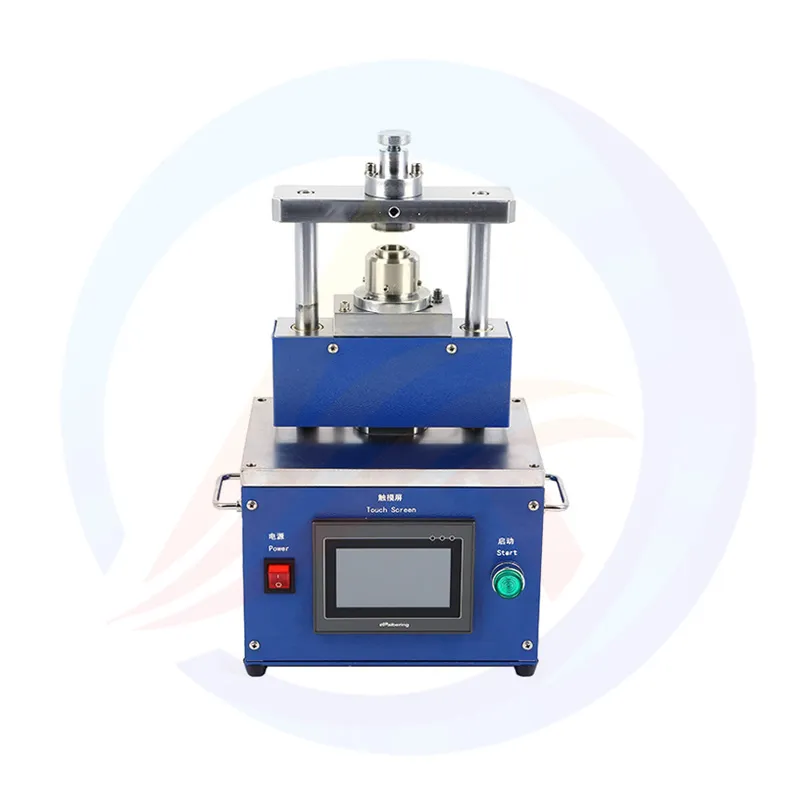
2. The core function of the battery sealing machine: Comprehensive security and efficiency guarantee
(1) Sealing protection: The "last line of defense" for battery safety
In the production of new energy vehicle battery cells, the fully automatic sealing machine needs to achieve a sealing accuracy of ±0.01mm, ensuring a leakage rate of ≤1×10^-9 Pa·m³/s in extreme environmental cycling tests ranging from -40℃ to 85℃. This effectively prevents the penetration of moisture and oxygen, avoiding the decomposition of the electrolyte to produce harmful HF substances and preventing safety accidents. Data from a certain battery manufacturing enterprise shows that after using a high-precision sealing machine, the battery sealing qualification rate increased from 95% to 99.5%, and the failure rate caused by leakage decreased by 80%.
(2) Stable performance: Key support for extending battery life
For 18650 cylindrical batteries in the consumer electronics sector, after being sealed by the sealing machine, they can maintain a capacity of over 85% after continuous charging and discharging for 500 times - this is due to the precise control of pressure (0.6-1.2MPa) and cooling rate (5-10℃/s) by the sealing machine, which avoids capacity reduction caused by stress concentration at the sealing point. In the energy storage station scenario, the sealing machine uses a helium mass spectrometry leak detector for real-time monitoring to ensure that the battery has no sealing failure risk within a 20-year service life.
(3) Production Efficiency Enhancement: Core Equipment for Large-scale Manufacturing
Compared to traditional manual sealing (500-1000 units per hour), the production efficiency of the fully automatic soft-pack battery sealing machine can reach 3000-5000 units per hour. The mold changeover time is controlled within 15 minutes, and it can be adapted to switch between various specifications of batteries such as 21700 and 26650. After a consumer electronics manufacturing company introduced the fully automated production line, the labor cost per production line decreased by 60%, and the production capacity increased by 3 times, perfectly meeting the large-scale delivery requirements of smartphone batteries.
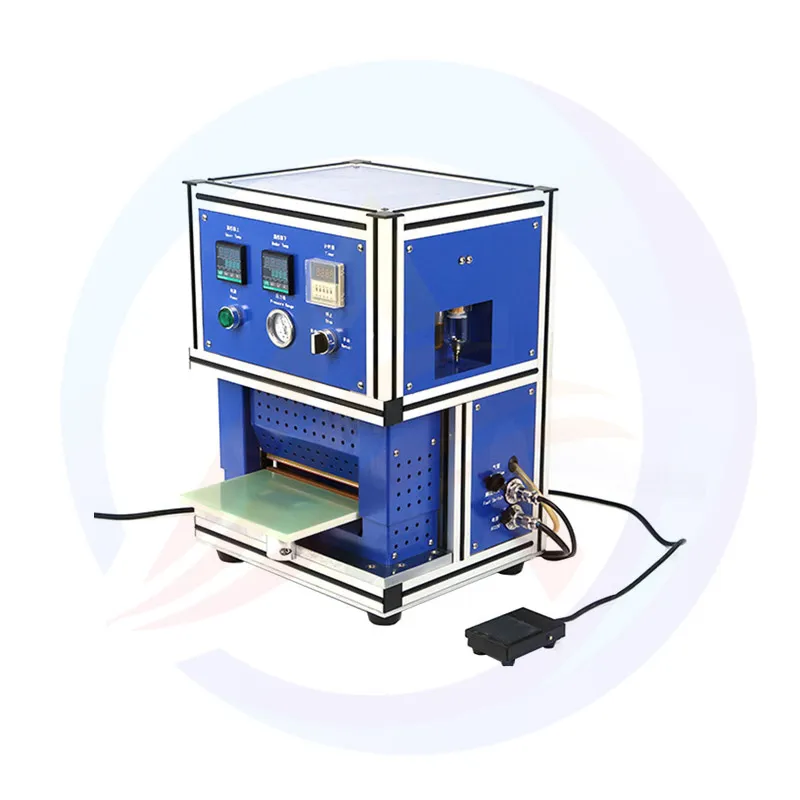
3. The Far-reaching Impact of Battery Sealing Machines on the Industry
(1)Promoting the Safety Upgrade of the New Energy Industry
The sealing process of battery cells directly affects the safety performance of electric vehicles. In 2024, the global market size of pouch battery sealing machines increased by 27%, and the core driving force behind this growth was the strict "zero leakage" standard imposed by the new energy automotive industry - high-quality sealing machines can reduce the risk of battery thermal runaway by 90%, laying the foundation for the widespread adoption of electric vehicles.
(2)Enabling Innovation in Energy Storage and Consumer Electronics
In the energy storage field, the vacuum sealing technology of sealing machines enables batteries to maintain stable performance for 72 hours under high-temperature and high-humidity conditions (relative humidity 85%, temperature 60°C), supporting the outdoor deployment of large-scale energy storage stations. In the consumer electronics field, micro-sealing machines have achieved thin packaging of smartwatch button batteries (thickness tolerance ±0.02mm), helping to increase the device's battery life by 15%.
(3)Standardizing industry quality standards
The compliance requirements for battery exports in the international market are becoming increasingly strict. The performance parameters of the sealing machine directly affect the pass rate of product certification. For instance, batteries exported to the United States must pass UL certification, and one of the core test items is the sealing integrity. A high-quality sealing machine can ensure that the batteries pass the eight-item safety tests in UN38.3 transportation, including vibration, shock, short circuit, etc.
4. Frequently Asked Questions
Q: What certifications are required for the battery sealing machine to be exported to Europe and the United States?
A: To export to the European Union, CE certification is necessary (covering LVD (Low Voltage Directive) and EMC (Electromagnetic Compatibility) directives). To export to the United States, UL certification is required. The basic universal certification is the UN38.3 transportation safety test report. The equipment itself must also pass the IEC60335-1 electrical safety standard certification.
Q: Why do bubbles or leakage occur at the battery seal?
A: The main reasons include: mismatch of temperature parameters (the main heating temperature of the pouch battery is lower than 170℃), uneven pressure distribution, too fast sealing speed (> 30 pieces/minute), or material moisture. Solution: Adopt a three-stage temperature control system, equipped with a proportional pressure regulating valve to achieve 0.01MPa level pressure fine-tuning, and dry the aluminum-plastic film before sealing.
Q: Can the sealing machines for cylindrical batteries and pouch batteries be used interchangeably?
A: They cannot be directly used interchangeably. Cylindrical batteries rely on roll-slot pressing or laser welding mechanisms, while pouch batteries require heat sealing molds and vacuum chambers. Only some high-end equipment can achieve cross-type adaptation by replacing the core modules (the cost is approximately 30% of the total equipment price).
Q: How can we determine if the sealing quality of the sealing machine meets the standards?
A: Key inspection indicators: ① Peeling strength (for soft-pack batteries, longitudinal ≥ 50N/15mm); ② No wrinkles or carbonization on the surface; ③ Pressure resistance test (maintaining pressure for 1.5 times the working pressure without bulging); ④ Long-term stability (precision attenuation ≤ 0.005mm after 5000 cycles of sealing).