
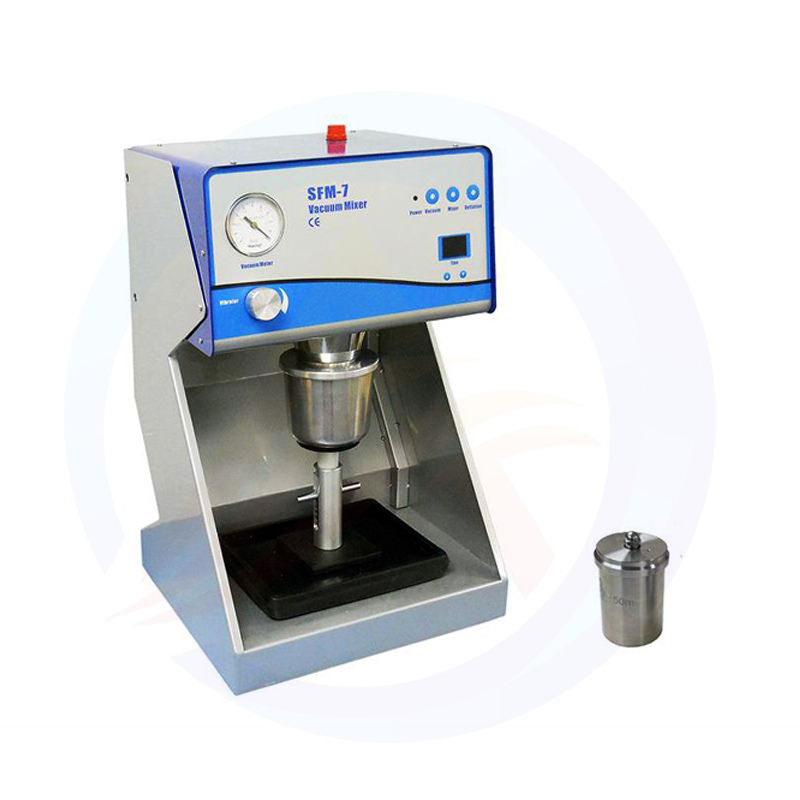
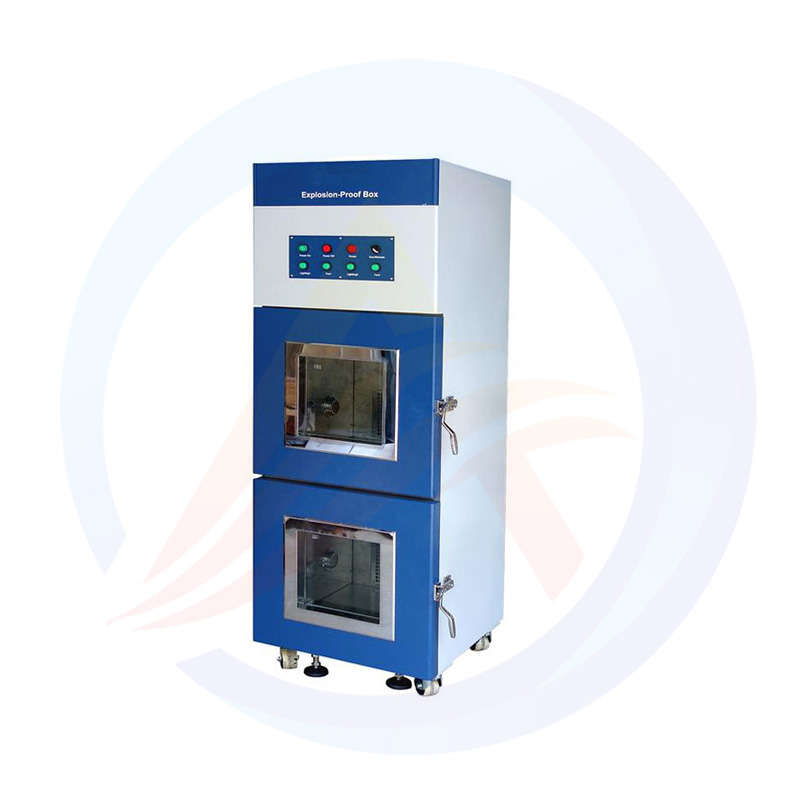
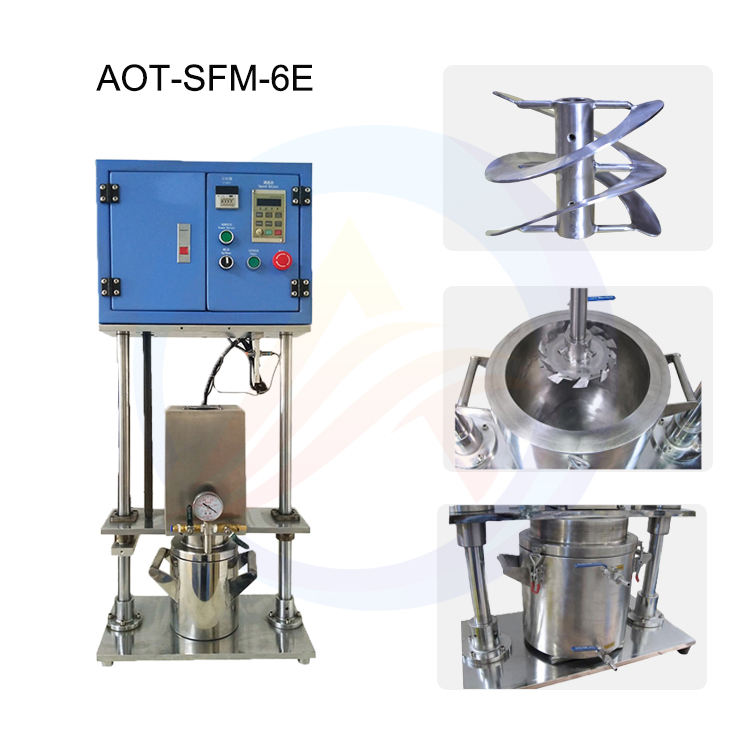
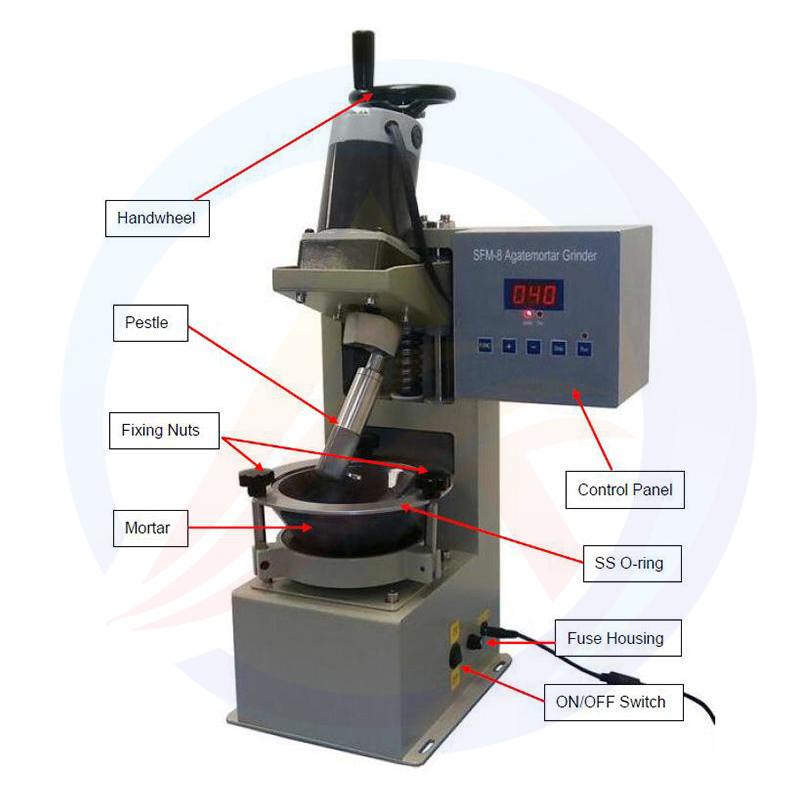
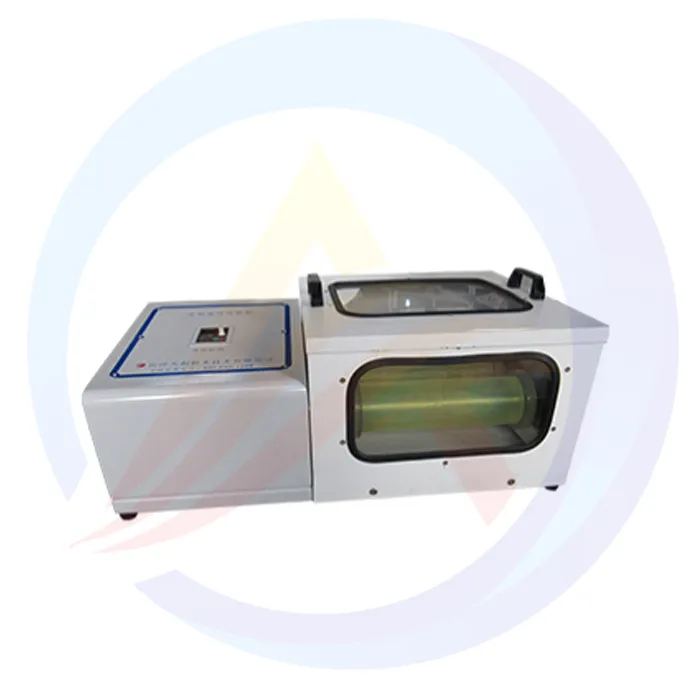
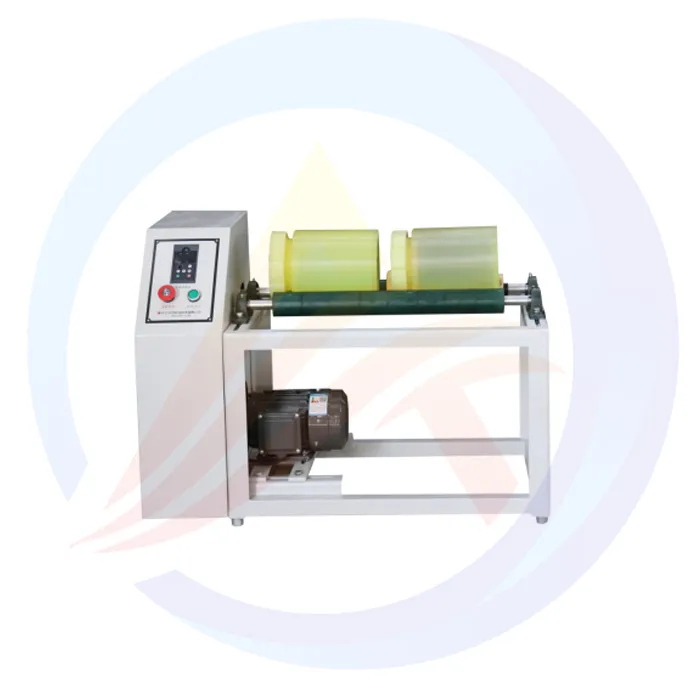
The Battery Ball Mixer is an essential front-end core equipment in lithium battery manufacturing, primarily designed for the integrated mixing and dispersion of cathode/anode powders, binders, conductive agents, and solvents. It plays a critical role in ensuring battery product quality, production stability, and cost efficiency. Its key functions are best reflected across four major dimensions.
Breaking Up Powder Agglomeration for Homogeneous Slurry Dispersion: The graphite, conductive agents, and cathode materials used in lithium battery production are typically ultra-fine and lightweight, making them highly prone to agglomeration. By combining stirring with ball-milling principles, this equipment effectively breaks apart clustered particles, eliminates dead zones during mixing, and ensures thorough integration of powders with solvents and binders. This overcomes common issues such as uneven mixing and localized material imbalance seen in conventional mixers, guaranteeing consistent composition across every batch of slurry.
Stabilizing Slurry Consistency to Prevent Stratification and Sedimentation: Lithium battery slurries are inherently high-viscosity and susceptible to phase separation. Conventional mixers often result in slurry that separates, settles, or clumps during transfer and storage, directly affecting subsequent coating and electrode fabrication processes. The Battery Ball Mixer optimizes material integration, enhancing overall slurry stability and enabling long-term uniformity and fine texture. This ensures compatibility with full-process handling requirements and supports smooth downstream operations.
Ensuring Battery Performance Uniformity and Improving Final Product Quality: The quality of slurry mixing directly impacts the charge/discharge performance, cycle life, and safety of lithium batteries. A uniformly stable slurry enables even distribution of materials within the cell, preventing performance variations, premature capacity fade, and localized overheating caused by material inconsistency. By controlling product quality at the source, this equipment significantly improves pass rates and operational reliability for power batteries, energy storage batteries, and consumer electronics batteries.
Supporting Full-Scenario Production and Enhancing Overall Efficiency: Designed for both laboratory R&D and industrial-scale mass production, the Battery Ball Mixer meets high-precision mixing needs for small-batch formula development and sample testing, ensuring accurate and reproducible experimental data. At the same time, it seamlessly integrates into large-scale continuous production lines, eliminating frequent shutdowns for adjustments or rework. This simplifies production workflows, reduces material waste and labor costs, and significantly boosts automation and overall production efficiency in lithium battery lines.
Compatibility with Diverse Materials, Expanding Production Flexibility: Beyond standard lithium-ion cathode and anode slurries, the equipment can handle various new-generation battery materials, meeting the diverse and evolving demands of the new-energy battery industry. It enables flexible formulation iteration and supports versatile production layouts, helping manufacturers adapt quickly to market changes.
1. Real-World Application: Suitable for All Stages of Lithium Battery Production
Many procurement and R&D personnel know only that this equipment is used for battery material mixing but are unaware of its specific operational capabilities. Unlike conventional mixers that only perform basic blending, the Battery Ball Mixer is engineered for demanding lithium battery production environments, with verifiable and reliable performance parameters.
In mass production of power batteries, the equipment operates continuously and stably within standard cleanrooms maintained at constant temperature and humidity. It effectively handles high-viscosity ternary cathode slurries, maintaining consistent stirring speed throughout the process. The resulting slurry exhibits uniform particle size and excellent mixing consistency, reliably supporting large-volume, continuous production on medium-to-large scale power battery lines. Compared to traditional twin-shaft mixers, it delivers significantly higher production efficiency and improved product stability. In laboratory-scale pilot research and development scenarios, the compact Battery Ball Mixer precisely meets various small-batch formulation optimization tasks. With a wide speed adjustment range and powerful dispersion capability, it effectively breaks up agglomerated particles of ultrafine powders such as anode graphite and conductive additives, fundamentally avoiding issues like uneven material mixing and experimental formulation deviations caused by simple stirring equipment, thereby ensuring the accuracy and reproducibility of battery R&D data.
2. Equipment Comparison Analysis: Why Choose a Battery-Specific Ball Mixer?
When purchasing, many customers are often torn between conventional twin-shaft mixers, vertical dispersers, and the Battery Ball Mixer. By comparing core parameters and practical performance, the key advantages of high-quality battery-grade mixing equipment become clear—these are also critical criteria for identifying reliable suppliers.
First is mixing precision. Traditional twin-shaft mixers only achieve macroscopic surface-level blending, lacking sufficient fine dispersion capability for ultrafine conductive agents and nanoscale powders, leading to frequent local concentration inconsistencies. This directly results in quality issues such as unbalanced charge/discharge performance and rapid cycle life degradation in battery cells. In contrast, the Battery Ball Mixer employs a dual-motion stirring structure combining orbital and rotational motion, combined with specialized ball-milling dispersion media, enabling thorough,死角-free grinding and dispersion throughout the chamber. This ensures exceptional uniformity in material mixing and guarantees consistent product quality across batches from the source.
Second is adaptability and operational stability. Conventional dispersing equipment struggles to handle high-viscosity lithium battery slurries under production conditions. Prolonged high-load operation often leads to unstable speeds, motor overloading, shaft leakage, and other malfunctions. Over time, mixing accuracy deteriorates significantly, requiring frequent shutdowns for maintenance. In contrast, high-quality Battery Ball Mixers feature sealed leak-proof designs and intelligent variable-frequency speed control systems, capable of adapting to demanding production environments involving extreme temperatures and heavy loads. They maintain stable operational precision even during extended continuous runs, exhibit extremely low failure rates, minimize production downtime, and substantially reduce overall maintenance costs.
Finally, cost-effectiveness and compatibility. While low-cost general-purpose mixers may have lower initial purchase prices, they typically result in poor slurry yield, rapid wear of consumables, and high frequency of maintenance, increasing long-term operating expenses. Although battery-specific ball mixers have slightly higher upfront costs, their superior slurry mixing performance, longer service life of wear-resistant components and sealing parts, and reduced material loss lead to significantly lower total operating costs over time. For large-scale, standardized lithium battery manufacturing, these mixers represent the optimal choice.
3. Frequently Asked Questions
(1) Why do some mixed battery slurries easily separate or clump? The root cause lies in insufficient dispersion force, dead zones in the stirring structure, and unstable rotation speeds. Ordinary equipment cannot break down powder agglomerates, making solid-liquid separation common in high-viscosity slurries. The Battery Ball Mixer’s combination of bidirectional stirring and ball-milling dispersion enables precise material blending, completely resolving issues such as slurry stratification, sedimentation, and clumping.
(2) What types of battery materials can this equipment mix? It is fully compatible with all categories of lithium battery materials, including ternary cathodes, lithium iron phosphate cathodes, graphite anodes, silicon-based anodes, lithium battery electrolytes, conductive pastes, and binders. It also supports mixing of precursor materials for sodium-ion batteries and solid-state batteries, offering exceptional versatility.
(3) How to select between production and lab models? For laboratory R&D, formulation tuning, and small-batch trials, compact lightweight models are ideal. Medium-scale pilot lines should use standard mid-sized units, while large- to medium-scale mass production lines benefit from industrial-grade large models. Customized non-standard equipment can also be designed based on specific enterprise capacity, material characteristics, and production requirements. (4) Is daily maintenance of the equipment difficult? The equipment features a modular, detachable design, allowing quick disassembly and cleaning of the inner tank and grinding media with no material residue. The core motor and transmission components are made of wear-resistant and corrosion-resistant materials, requiring minimal maintenance—only periodic cleaning of the chamber and inspection of seals are needed, resulting in extremely low maintenance costs.
(5) What advantages does a ball mill mixer have over a planetary mixer? Compared to conventional planetary mixers, this equipment incorporates ball-milling functionality, combining stirring, dispersion, and grinding into one unit. It offers superior dispersion performance for ultra-fine powders, higher mixing precision, and improved slurry stability, making it better suited to meet the high-quality production requirements of advanced power batteries and energy storage batteries.